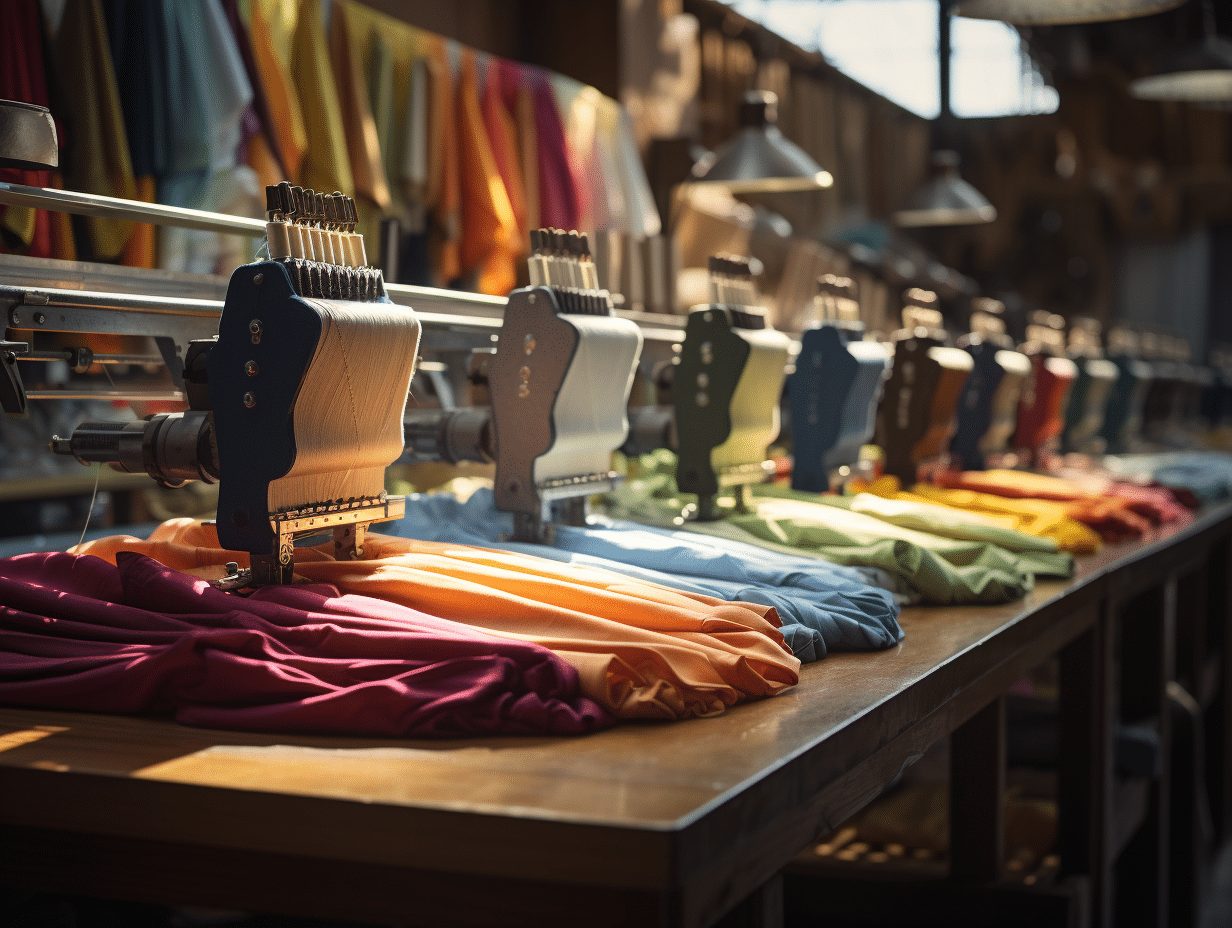
In the world of DIY and textile customization, heat transfer vinyls have become essential. Their use can sometimes be frustrating when faced with adhesion problems. Whether due to inadequate heat from the iron, the quality of the textile support, or the heat transfer vinyl itself, customization enthusiasts are constantly seeking solutions to ensure a perfect and durable bond. This often involves a better understanding of the materials involved and specific application techniques to overcome these obstacles and create designs that withstand the test of time and wear.
Key steps for optimal adhesion of heat transfer vinyls
Textile preparation: First and foremost, make sure that the chosen textile is compatible with the heat transfer vinyl. Cotton fabrics generally work well, while materials with a water-repellent coating may prevent adhesion. For stretchy textiles, opt for a special vinyl like nylon flexcut, designed to adapt to movement without cracking.
Choosing the application tool: A cutting machine is essential for precise cutting and hassle-free weeding. Using a heat press is recommended for applying the heat transfer vinyl, as it ensures uniform pressure and heat. However, a standard iron can suffice if you strictly follow the temperature and pressure time instructions.
Applying the heat transfer vinyl: Place the vinyl on the textile, ensuring to eliminate air bubbles and protect the design with parchment paper. Press firmly for the indicated duration, usually around 15-20 seconds, and perform a hot or cold peel test depending on the type of heat transfer vinyl. Common mistakes when applying heat transfer vinyl include insufficient heat or uneven pressure, so be meticulous in this step.
After application: The longevity of your creation also depends on the washing conditions. Wait at least 24 hours before washing the garment for the first time and prefer cold or warm washing, turning the textile inside out. Avoid machine drying and direct ironing on the heat transfer vinyl to preserve adhesion.
By following these recommendations, you significantly increase the chances that your heat transfer vinyl adheres permanently without color or texture alteration. Take the time to select the right materials and apply the appropriate techniques for professional results.
Solutions to the most common adhesion problems
Solution to adhesion difficulties: When faced with a heat transfer vinyl that refuses to stick, re-examine the applied heat. Ensure that the temperature is in accordance with the instructions and that the pressure is strong and uniform enough. For color migration issues, test on a scrap piece of fabric first, and consider using a protective paper between the iron and the heat transfer vinyl. During cutting, a well-adjusted machine is fundamental. In case of defective cutting or weeding, check the blade for sharpness and adjust the pressure settings according to the thickness of the vinyl.
Professional assistance: Do not underestimate the role of the customer service of heat transfer vinyl suppliers. In case of difficulty, their expertise can be invaluable. They will provide advice tailored to your specific situation and may even replace a defective product. Many blogs and customization tutorials are available online, offering a wealth of information to solve adhesion problems and perfect your technique.
Utilizing online resources: For those who prefer autonomy in problem-solving, online tutorials are an invaluable resource. They offer detailed step-by-step instructions for applying heat transfer vinyl and can help identify common mistakes. Whether in video format or detailed articles, these guides are often created by customization enthusiasts who willingly share their know-how and tips for optimal results.