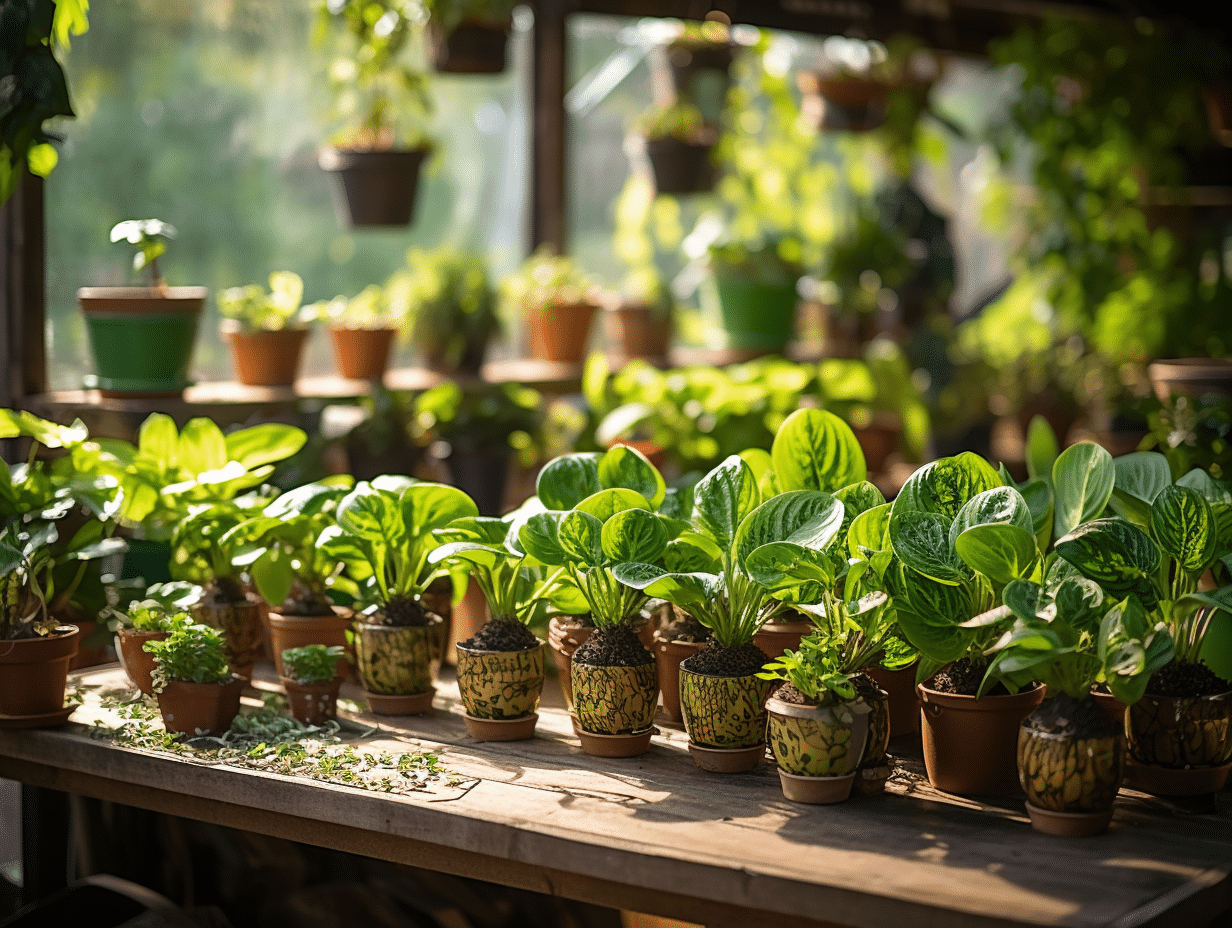
Optimizing root growth in plants is essential for ensuring their health and productivity. Roots are the foundation of the plant, playing a fundamental role in the absorption of water and nutrients, as well as in stabilizing the specimen in its environment. Innovative strategies to stimulate this root development may include adjusting soil conditions, applying biostimulants, improving irrigation practices, and using cover crops. These approaches aim to enhance plant resilience against abiotic stresses and maximize agricultural yields in the context of climate change and increasing environmental pressures.
Root Growth Optimization: Practices and Techniques
Strategies to Optimize Plant Root Growth: Root architecture proves to be a fertile area of exploration for experts eager to understand how to promote root development in plants. With a root plasticity unique to each species, scientists are striving to decipher the mechanisms that allow a plant to adjust its root system to environmental variations. Mastering these mechanisms paves the way for practical applications such as varietal improvement, where advantageous root characteristics are selected to enhance the resilience and productivity of crops.
The root system, with its ability to repeatedly form new roots and grow in length, is a key indicator of a plant’s potential. The formation of new roots, particularly lateral roots, is essential for a robust root system. Therefore, professionals in the agronomic sector are turning to sophisticated irrigation practices, which not only combat water stress but also support optimal root development.
Water and mineral salts are the vital elements that roots must extract from the soil to ensure the plant’s survival. The efficiency with which the root system accomplishes this task largely depends on its architecture. The diversity of root systems among plants, a characteristic of their root architecture, is a variable that farmers cannot ignore when adapting their cultivation methods to the challenges posed by climatic conditions and soil properties.
The creative commons license offers an invaluable opportunity for researchers and practitioners to share their findings on root development. This ecosystem of shared knowledge contributes to the development of advanced agricultural techniques and supports the scientific community in its quest for sustainable solutions for the agriculture of tomorrow. The synergy between fundamental research and practical application is thus at the heart of strategies aimed at optimizing plant root growth.
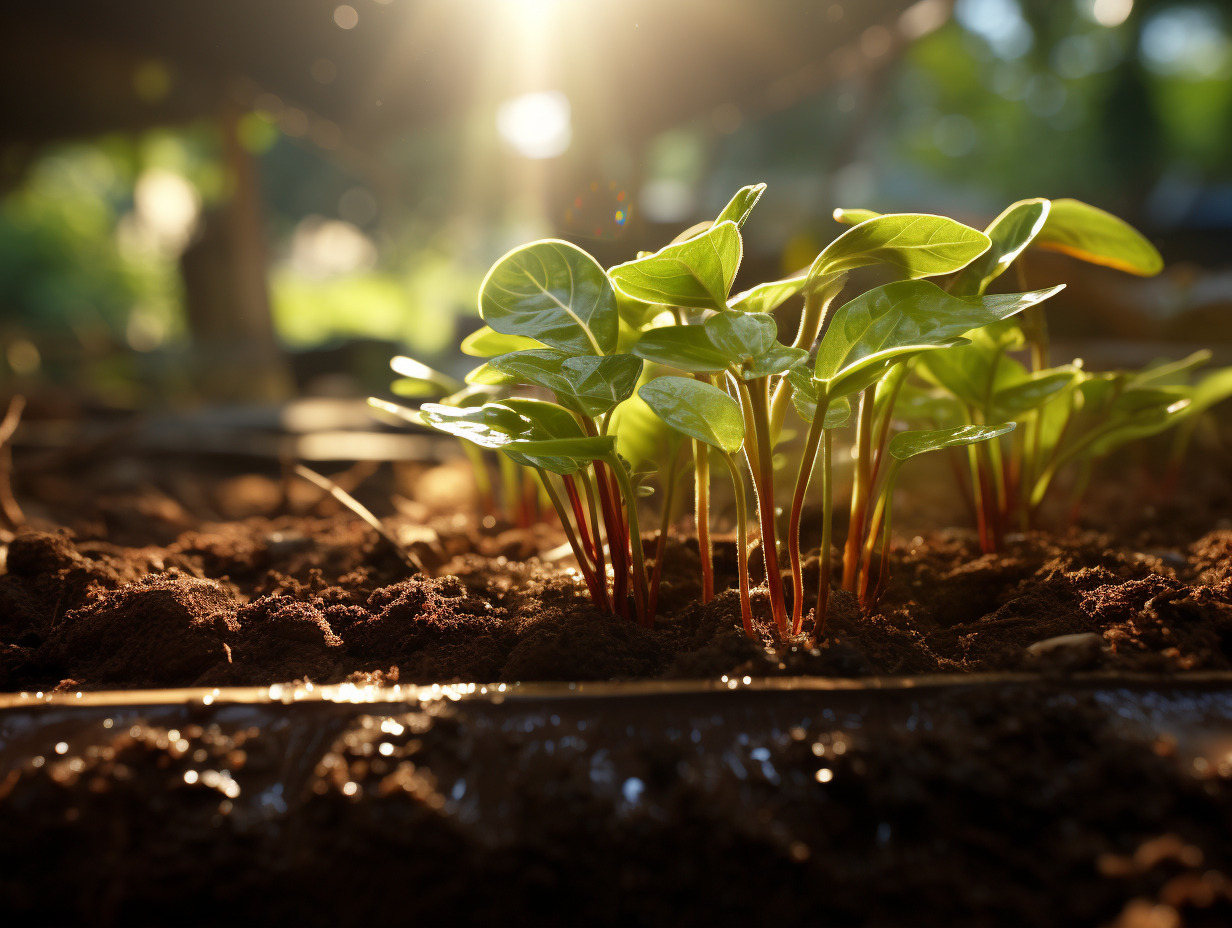
Soil-Root Interactions: Understanding to Act Better
The rhizosphere, an area of intense life where soil and roots intertwine, emerges as the stage for complex interactions. At the heart of this vital space, root exudation alters the physicochemical properties of the soil, which in turn influences the availability of water and nutrients for the plant. Consider the molecules secreted by the roots as agents of change, orchestrating a symbiosis with soil microorganisms and triggering beneficial processes for plant growth.
The root anatomy is crucial in a plant’s ability to cope with environmental constraints. The various tissues of the roots, organized in concentric layers, are specialized in the absorption of water and nutrients. It is from this structure that the plant’s efficiency in tapping into soil reserves unfolds. Variation in the internal organization of roots among species reflects adaptive diversity in response to different ecological demands.
Water stress, a direct consequence of prolonged drought, tests the resilience of plants. When the transpired water needs exceed the water supply from the soil, plants respond by adjusting their root system. The roots’ reaction to water deficit manifests through morphological and physiological changes, such as deepening the root system or increasing absorption efficiency.
Crop rotation emerges as a leading agroecological strategy for maintaining soil health and optimizing soil-root exchanges. By alternating plants with different needs and root characteristics, farmers can prevent the depletion of surface soil layers and promote better distribution of water resources. This practice, combined with a thorough understanding of root system diversity, constitutes a powerful lever for sustainable and effective crop management.