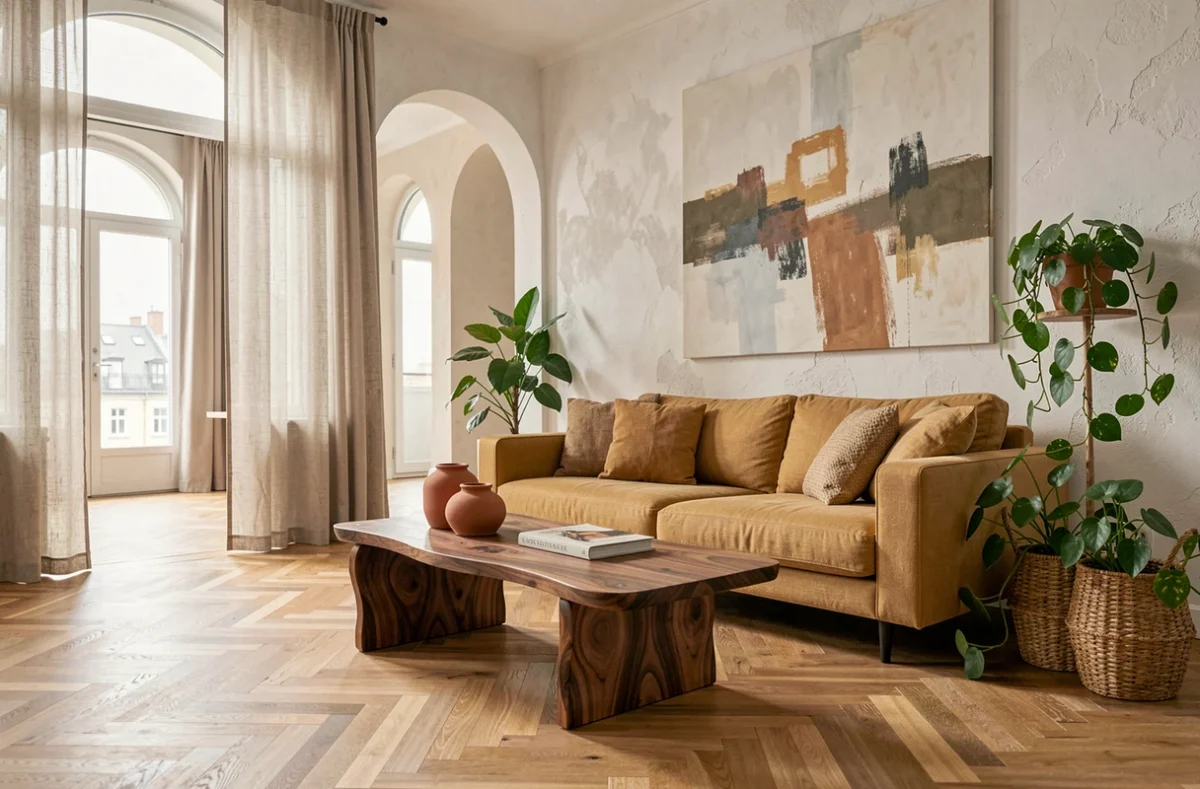
Interior design is no longer just about choosing a color palette or a style of furniture. Since the implementation of RE2020, the design choices for a home incorporate technical parameters that change the way each room is conceived: heat management, air quality, material traceability. Current decorative trends are viewed through this lens, where aesthetics can no longer be separated from the performance of the building.
Summer Comfort and Interior Design: A Blind Spot in Renovations
Most articles on decor trends discuss natural light as a visual asset. Large bay windows, glass roofs, skylights: the impact of these elements on summer comfort is rarely assessed.
Some renovation audits highlight a degradation of summer comfort. The issue lies in choices made solely from the perspective of winter energy savings, without considering the orientation of the glazing, the thermal inertia of the walls, or the position of the insulation.
Installing insulation from the inside on a south-facing stone wall reduces the thermal inertia of the wall. The wall no longer retains the coolness of the night. The room overheats as early as June, a configuration that affects many older homes undergoing renovation.
RE2020 includes an indicator of “degree-hours of discomfort” for new constructions, but renovations of the existing stock remain less regulated on this criterion. Before rethinking the layout of a room, the question of solar protection and nighttime ventilation should precede the choice of wall covering.
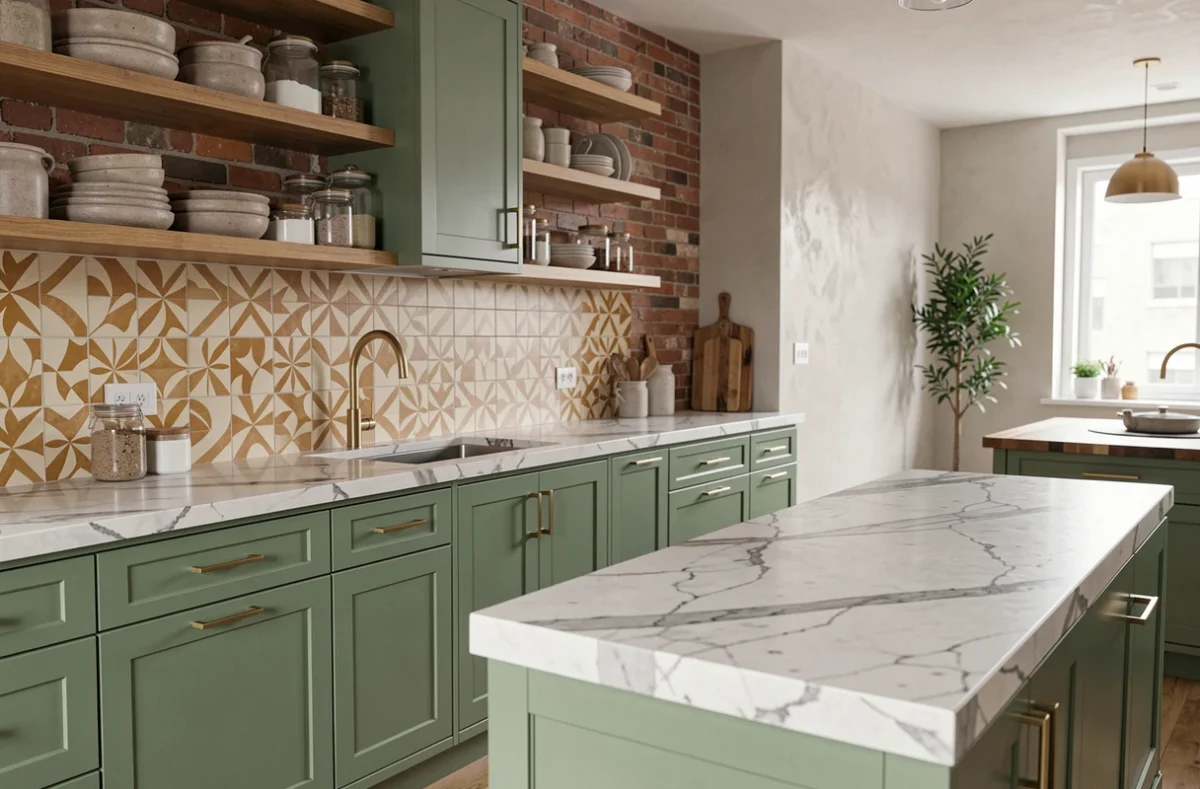
Specialized brands like Intérieur Concepts offer support that articulates aesthetic choices and technical constraints of the building, a relevant approach in light of these thermal comfort issues.
Natural Materials in Decoration: What Traceability Changes
Wood, linen, rattan, and natural stone have been featured in trend selections for several years. Their success is based on a promise of visual warmth and durability. The available data does not always allow for verification of this promise.
The use of reclaimed wood or old bricks in interior design raises questions about their origin and prior treatment.
- Natural fibers (linen, hemp) used for wall coverings or upholstery textiles have variable acoustic performance depending on their density and installation method.
- Natural stone, often presented as a material with high thermal inertia, only offers this advantage if installed in sufficient thickness and in direct contact with the inhabited volume, not as a thin decorative facing.
The thickness and installation method of a material are as important as its nature. A stone facing a few millimeters thick has no effect on the inertia of a room. This distinction is rarely mentioned in interior decoration guides.
Indoor Greening and Biophilic Design: Practical Limits
Biophilic design, which involves integrating plant elements and references to nature into living spaces, is among the most cited trends. Green walls, indoor gardens, hanging plants: the offerings have significantly expanded.
Indoor greening contributes to regulating the humidity of a room to some extent. However, an inadequately ventilated indoor green wall can promote mold growth, particularly in homes where air tightness has been enhanced during a recent renovation.
The balance between airtightness (necessary for energy efficiency) and air renewal (necessary for indoor air quality) determines the feasibility of these arrangements. A single-flow mechanical ventilation system may not be sufficient in a very airtight home where moisture sources are added.
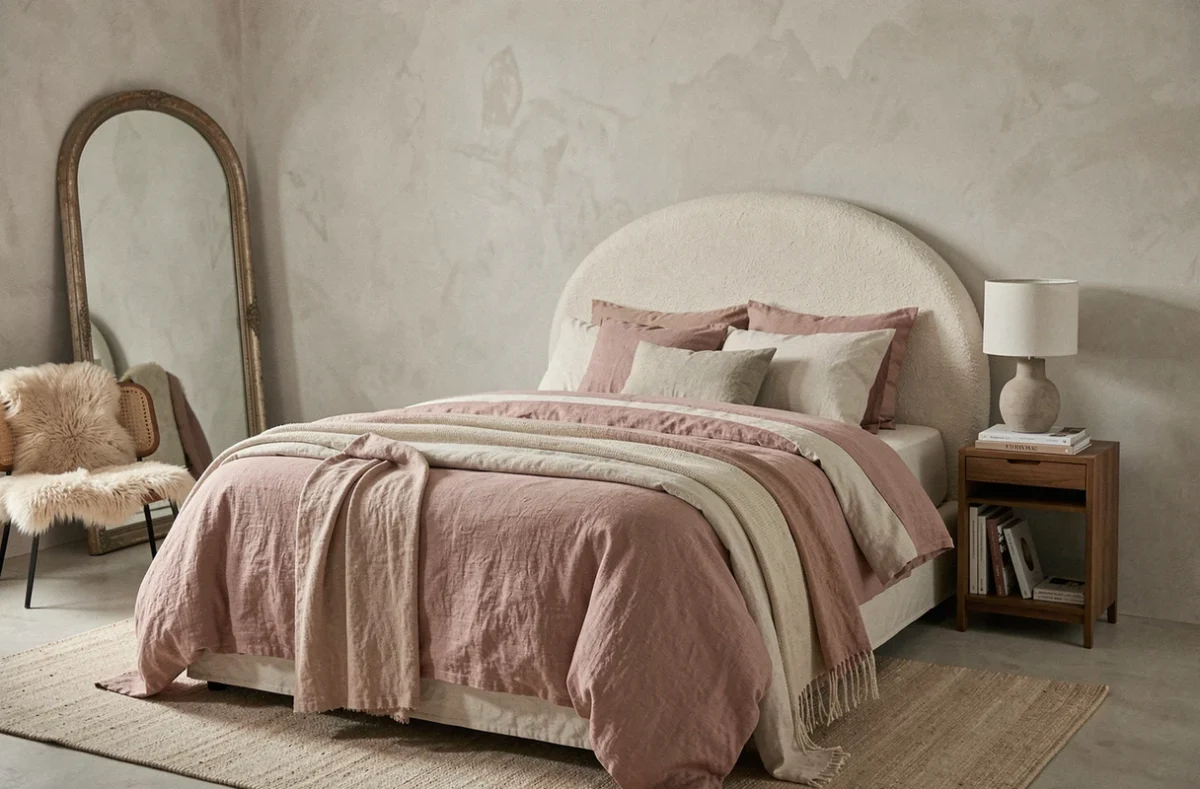
Indoor plants remain a more flexible option than fixed wall installations. They allow for adjusting the presence of greenery without altering the structure, and their maintenance is more predictable.
Colors and Natural Light: Adapting Choices to Existing Glazing
The color palettes proposed each year by paint manufacturers assume abundant natural lighting. Terracotta shades, sage green, or deep blue, which are prominent in recent selections, absorb a significant amount of light.
In a north-facing room with single glazing, these dark colors notably reduce perceived brightness. The appearance of a color directly depends on the quantity and temperature of the light entering the room.
Before following a trendy palette, two technical parameters deserve to be checked: the orientation of the room and the light transmission factor of the glazing. Recent double glazing allows more light than double glazing from the 1990s, which alters the perception of wall colors.
Climate Adaptation of Housing: Anticipating Regulatory Changes
External solar protections, nighttime ventilation, and wall inertia are among the identified levers for adapting the existing stock to heat episodes. These areas of focus will guide future regulatory requirements for renovations.
For homeowners considering decoration or renovation work, this trajectory has a concrete implication: the choices made today regarding joinery, flooring, or insulation can facilitate or complicate future compliance.
A thick tiled floor laid on a concrete slab contributes to the thermal inertia of the home. Conversely, a floating floor laid on thin insulation reduces this inertia. The choice of flooring is also a thermal choice, not just aesthetic.
Interior design trends for the coming years will increasingly be viewed through the lens of climate adaptation. The trade-offs between aesthetics, thermal comfort, and indoor air quality are not always compatible, and the compromises depend on each housing configuration. Following a trend without verifying its compatibility with the existing structure remains the main risk of a poorly calibrated renovation.