The term “leisure trends” refers to activities that gain popularity over a given period, influenced by economic, technological, or social factors. In 2025, several changes alter the way the French spend their free time: a decline in organized practices, increased budget constraints, and a geographical redistribution of cultural offerings. These developments create a landscape where autonomous and low-cost activities take precedence over traditional formats.
Budget constraints and free leisure: what the numbers reveal
Price has now become a major filter in choosing an activity. According to an Odoxa survey for RTL reported by Sporteco in 2025, 43% of the French have given up on a sports activity deemed too expensive. This figure reflects a concrete shift: leisure activities requiring a subscription, specialized equipment, or professional supervision are losing ground.
At the same time, free or low-cost activities are on the rise. Walking, hiking, running, and cycling are among the most widespread practices, according to the national sports practices barometer INJEP/Crédoc 2025. These disciplines require neither club membership nor expensive equipment, which explains their appeal in a context where purchasing power remains under pressure.
This trend also encourages a rethinking of the very notion of leisure. Exploring leisure on 11 Le Magazine allows one to gauge the diversity of practices emerging outside paid circuits, from urban geocaching to participatory repair workshops.
Autonomous sports versus club practice: a structural leisure trend
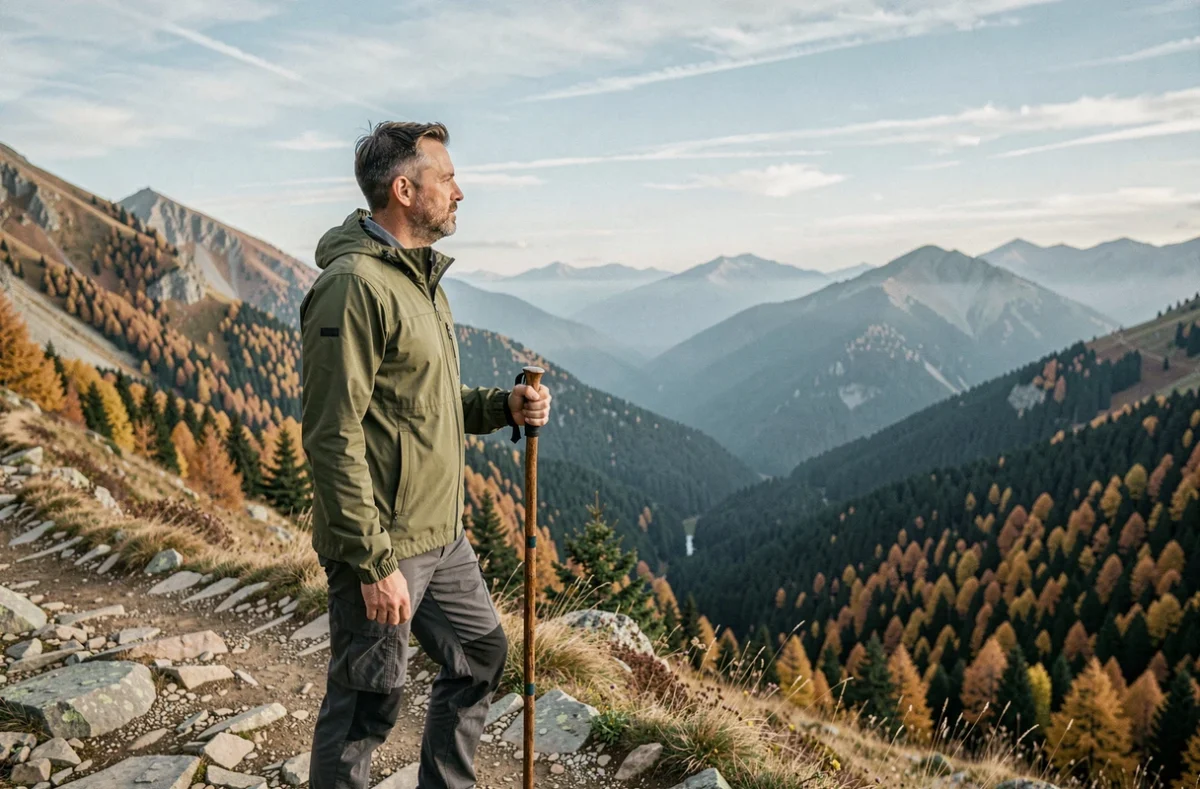
The INJEP/Crédoc 2025 barometer confirms a dynamic that has been underway for several years: regular sports practice is increasing while club membership is declining. The French are doing more sports, but they are doing it alone or in small groups, outdoors, according to their own schedules.
This deconstruction of sports practice has direct consequences on the associative fabric. Clubs struggle to retain members who prefer to run in a park at 7 a.m. rather than commit to a fixed time slot on Wednesday evenings.
Why the outdoors attracts more than the gym
Three factors explain this preference for outdoor activities:
- The absence of access costs: a hiking trail or a bike path does not charge an entry fee, unlike a gym or an indoor tennis court.
- Schedule flexibility: practicing independently removes the constraint of a collective schedule, a decisive argument for working individuals whose timetables vary from week to week.
- The perceived benefit of contact with nature: practitioners associate outdoor exercise with a greater decompression effect than that of training in an enclosed space.
Cycling exemplifies this phenomenon well. Between daily commuting and weekend outings on marked routes, it combines utility and recreational functions, which enhances its adoption.
Cultural outings in 2025: a decline that reshuffles the cards
The 2025 cultural outings barometer, published by the Ministry of Culture with Crédoc in September 2026, highlights an overall decline in cultural attendance. Concerts fare better than theater, dance, or circus. Museum attendance remains below its 2019 level.
This observation masks deep territorial disparities. The place of residence heavily influences access to cultural leisure: the offering of shows, exhibitions, and festivals is concentrated in metropolitan areas, leaving rural and suburban areas with limited choices.
Concerts and festivals: the format that endures
Live music retains an attraction capacity that other live performance disciplines no longer have to the same degree. Several reasons explain this: the event nature of a concert creates a sense of urgency (unique date, limited capacity), and the community bond around an artist or a musical genre generates a loyalty that classical theater struggles to reproduce among younger audiences.

Digital leisure and hybrid practices: beyond the screen
Streaming music remains the most widespread leisure practice among the French population. Music platforms have transformed an act once linked to a physical medium into a permanent activity, integrated into transport, work, and sports.
The recent trend is not limited to passive consumption. Hybrid formats are emerging, blending digital and physical experiences: immersive augmented reality trails in heritage sites, hiking apps that gamify the exploration of a territory, creative workshops broadcast live and then replicated at home.
These hybrid practices meet a dual expectation. Digital brings personalization (choosing one’s pace, level, time slot). The physical aspect provides the sensory dimension that the screen alone does not offer.
Concrete criteria for choosing a sustainable leisure activity
Rather than following a passing trend, a few criteria can help select a leisure activity compatible with real constraints:
- The recurring cost: a monthly subscription or equipment that needs to be renewed each season eventually weighs heavily. Favor activities with low marginal costs after the initial investment.
- Geographical proximity: an activity practiced more than thirty minutes away will be abandoned within a few weeks. The most sustainable leisure activities are those accessible by foot or bike.
- Seasonal adaptability: a practice that only works in good weather creates a void for several months, unless a complementary alternative takes over.
Choosing a leisure activity is not a definitive commitment. Testing an activity for four to six weeks, without purchasing expensive equipment, is enough to determine if it fits one’s lifestyle.
This year’s leisure trends converge towards the same observation: free, proximity, and flexibility take precedence over technological novelty or the notoriety of a format. The budgetary constraint identified by the Odoxa survey is not a temporary obstacle but a structural parameter that will continue to shape practices in the years to come.