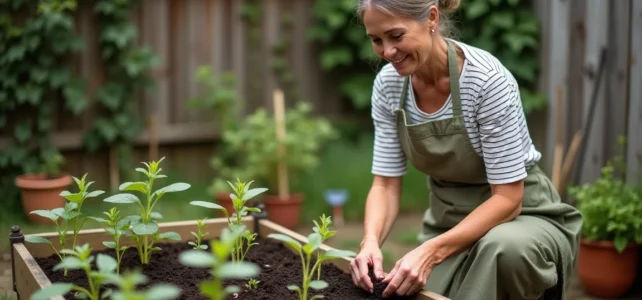
Successfully managing your garden throughout the year is no longer just about following a sowing and pruning calendar. The repeated water restrictions since 2022, the ban on synthetic pesticides for individuals, and the emergence of municipal ecological gardening charters are profoundly changing the way to cultivate a vegetable garden or maintain flower beds. This context encourages a rethinking of every action in the garden, season after season.
Living soil and mulching: the basics that gardening calendars overlook
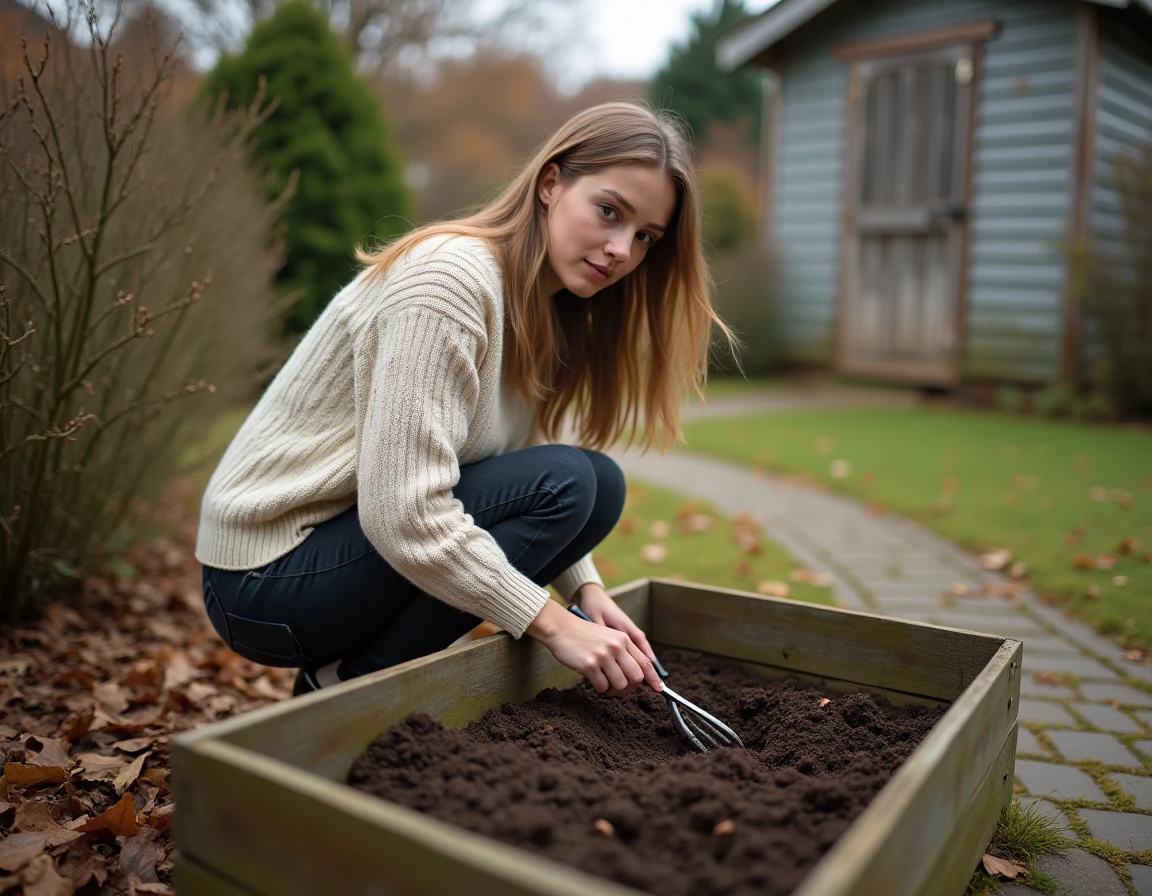
Most month-by-month guides detail what to sow and when to prune. They overlook soil quality, which is crucial for the success of all crops. Compacted or depleted soil will yield nothing, even with perfect sowing timing.
Permanent mulching is the most effective lever for maintaining productive soil. By covering the ground with organic matter (dead leaves, branch mulch, straw), evaporation is limited, soil fauna is nourished, and weeding is reduced. This action, applicable from the vegetable garden to the bases of fruit trees, significantly decreases the need for watering.
Before each new planting season, observing the soil structure provides more information than a calendar. Soil that crumbles easily between your fingers and smells like the forest after rain is healthy soil. Sticky, gray soil or soil that forms a crust on the surface requires compost and mulching before any cultivation. The resources available on Jardinews help better identify these signals and adapt practices according to the nature of the land.
Water restrictions and gardening: adapting practices to prefectural orders
Since 2022, prefectural orders limiting or banning the watering of lawns and ornamental beds have been multiplying every summer in France. The Ministry of Ecological Transition classifies departments into crisis levels, and private gardens are explicitly listed among the uses to be reduced.
This constraint forces concrete choices. Maintaining a green lawn in the middle of summer in a drought-alert department is no longer feasible, and sometimes not even legal. However, several alternatives exist to keep a garden alive with less water:
- Install one or more rainwater collectors connected to the gutters. Some municipalities now offer financial assistance for this equipment as part of local ecological gardening charters.
- Gradually replace lawn areas with drought-resistant ground covers (thym serpolet, yarrow, white clover), which require neither mowing nor regular watering.
- Concentrate watering on the vegetable garden and young plants, using drip irrigation placed under the mulch to limit evaporation.
The choice of plants becomes a strategic act. Favoring species adapted to the current climate (and not the climate of twenty years ago) reduces dependence on watering. Mediterranean perennials, ornamental grasses, and fruiting vegetables like tomatoes or squash, once well-rooted, tolerate dry periods much better than annuals in flower beds.
Pesticide-free gardening: what the law mandates and what the soil allows
The ban on the sale and use of synthetic pesticides for amateur gardeners, gradually coming into effect in France, has transformed pest and disease management in the garden. Biocontrol products and natural preparations (ferments, decoctions) remain authorized, but their effectiveness largely depends on the timing of application and the existing plant diversity.
A diverse garden in species naturally reduces pest pressure. Associating vegetables with flowers (marigolds at the base of tomatoes, nasturtiums at the edge of the vegetable garden) disrupts the cycles of harmful insects without chemical intervention. This approach requires planning throughout the year, not just in spring.
Field reports vary on the actual effectiveness of certain homemade preparations. Nettle extract, for example, works as a foliar fertilizer but its repellent effect against aphids remains debated. It’s better to focus on prevention: crop rotation in the vegetable garden, sufficient spacing between plants for air circulation, and quick removal of diseased parts before spreading.
Municipal charters and local labels: underutilized resources for gardeners
Since 2023, an increasing number of French cities offer eco-responsible gardener charters or local labels (such as “nature garden,” “zero pesticide garden”). These initiatives, often supported by the network of Flowered Cities and Villages or by municipal green space services, provide access to concrete benefits.
Free local seeds, composting training, and assistance for installing rainwater collectors are among the most common incentives. Some municipalities also fund the planting of hedgerows or distribute mulch from municipal pruning.
Inquiring at your town hall or community of municipalities allows you to benefit from these initiatives, which change the economic landscape of gardening. Planting a diverse hedge is significantly cheaper when the municipality provides the plants and technical advice.
Sowing and maintaining the vegetable garden: the actions that truly matter
In the vegetable garden, success depends less on the number of varieties sown than on the consistency of basic actions. Staggering the sowing of salads and radishes every two to three weeks, from spring to autumn, ensures a continuous harvest without unmanageable surpluses.
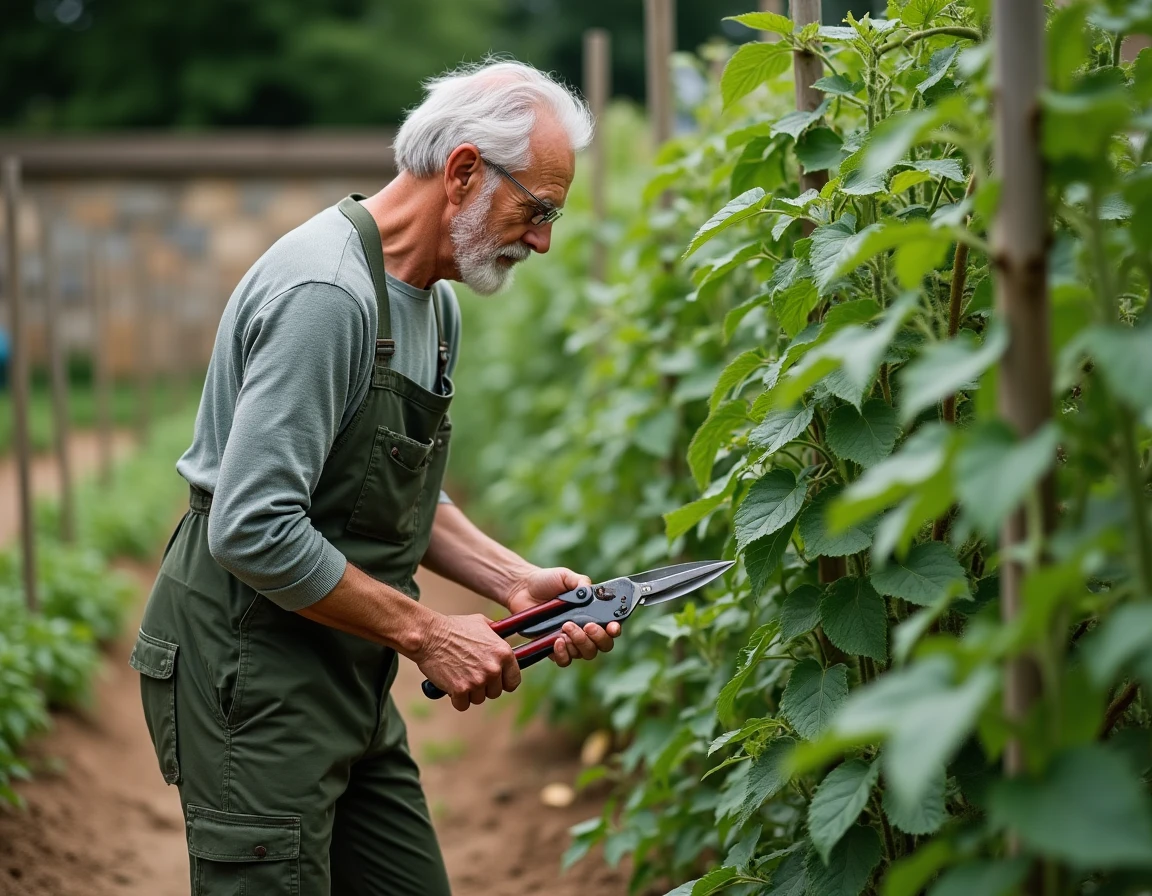
For tomatoes, often the star of the vegetable garden, pinching the suckers and gradually removing leaves from the plant improves ripening much more than any miracle fertilizer. Watering at the base without wetting the foliage limits downy mildew, the primary enemy of summer crops.
In autumn, instead of leaving the vegetable garden bare, sowing green manures (mustard, phacelia, rye) protects the soil from winter erosion and nourishes it for free. This action, though not spectacular, makes a visible difference by the following spring on the vigor of new plantings.
Managing a garden throughout the year ultimately relies on three pillars: constantly covered and nourished soil, a choice of plants adapted to the real constraints of the land and climate, and attention to the local resources available. The seasons dictate the work, but it is the coherence of these choices that separates a garden that survives from one that thrives.