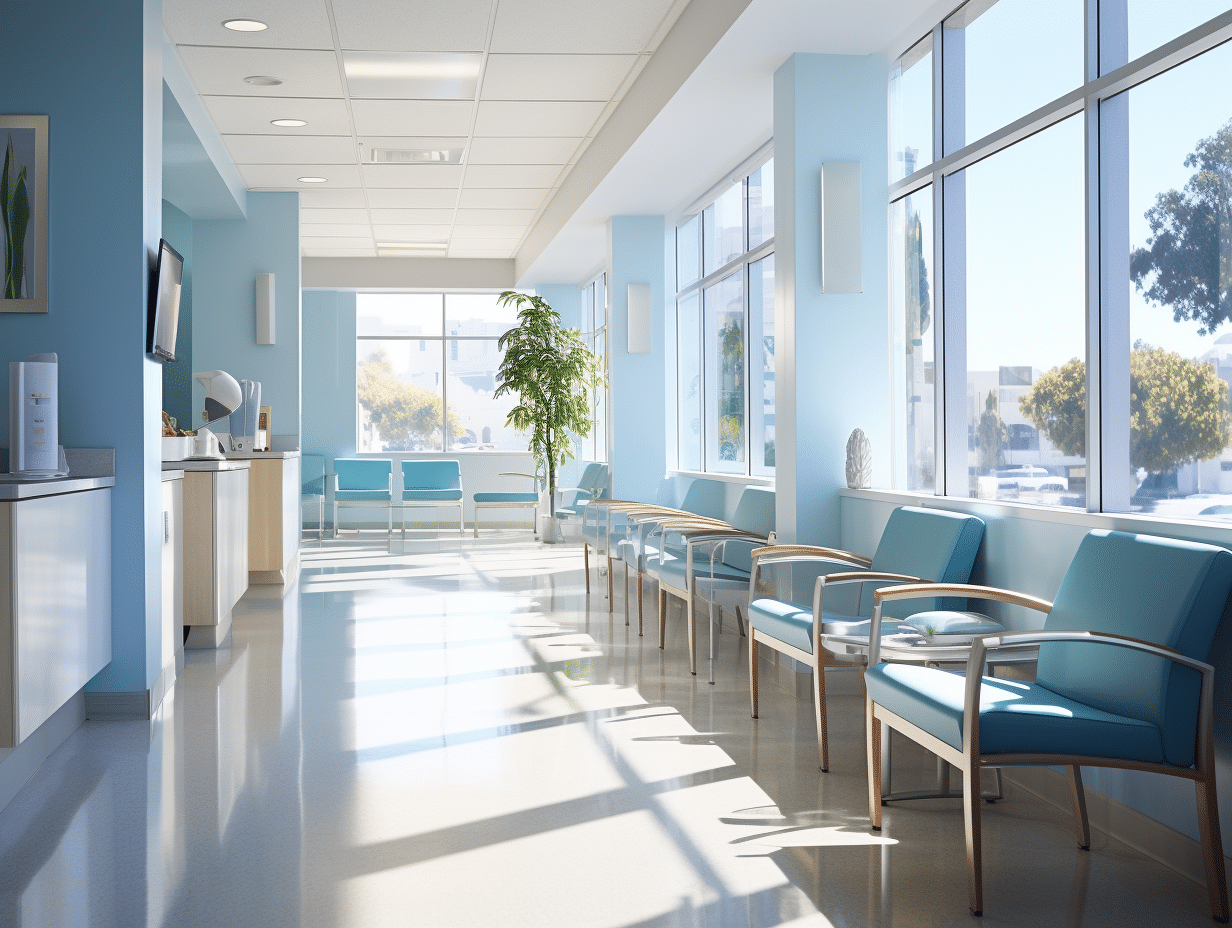
In the development of a medical office, sizing is a key step that influences both patient comfort and caregiver efficiency. Multiple factors must be considered to design a space that is both functional and welcoming. Healthcare professionals need to think about the specific needs of their practice, the expected number of patients, the integration of new technologies, and compliance with regulatory standards. Specific recommendations regarding layout, circulation, and equipment help create an optimal environment for delivering quality care.
Assessment of Needs and Sizing Criteria for a Medical Office
To choose the ideal area for a medical office based on the number of services offered, a rigorous assessment of needs is essential. Setting up a medical office requires thorough consideration of the nature of the activity, the number of healthcare professionals practicing, and their specialties. Each practitioner should have access to an adequate consultation room, while common areas, such as the waiting room and restrooms, should be sized according to the expected patient flow.
Compliance with regulatory standards is an essential parameter in creating a medical office. Adhering to health codes, particularly regarding accessibility, imposes significant architectural constraints. The regulations for medical offices in France stipulate that the establishment must meet strict legal criteria, including ERP category 5 classification for public reception, which includes specific accessibility features for patients with reduced mobility or disabilities.
The legal aspect of opening a medical office must also be considered carefully. The transfer contract for a medical office is a key step, ensuring a smooth transition between the departing physician and the entity taking over the practice. The National Council of the Order of Physicians is a key contact for obtaining reliable and up-to-date information on the compliance of medical premises.
The complexity of arranging a medical office requires meticulous planning of the layout. Standards related to free circulation, hygiene, safety, and professional confidentiality must be integrated from the design phase. The accessibility certificate and the ADAP program are key measures for independent physicians, aimed at ensuring the accessibility of the establishment within a specified timeframe.
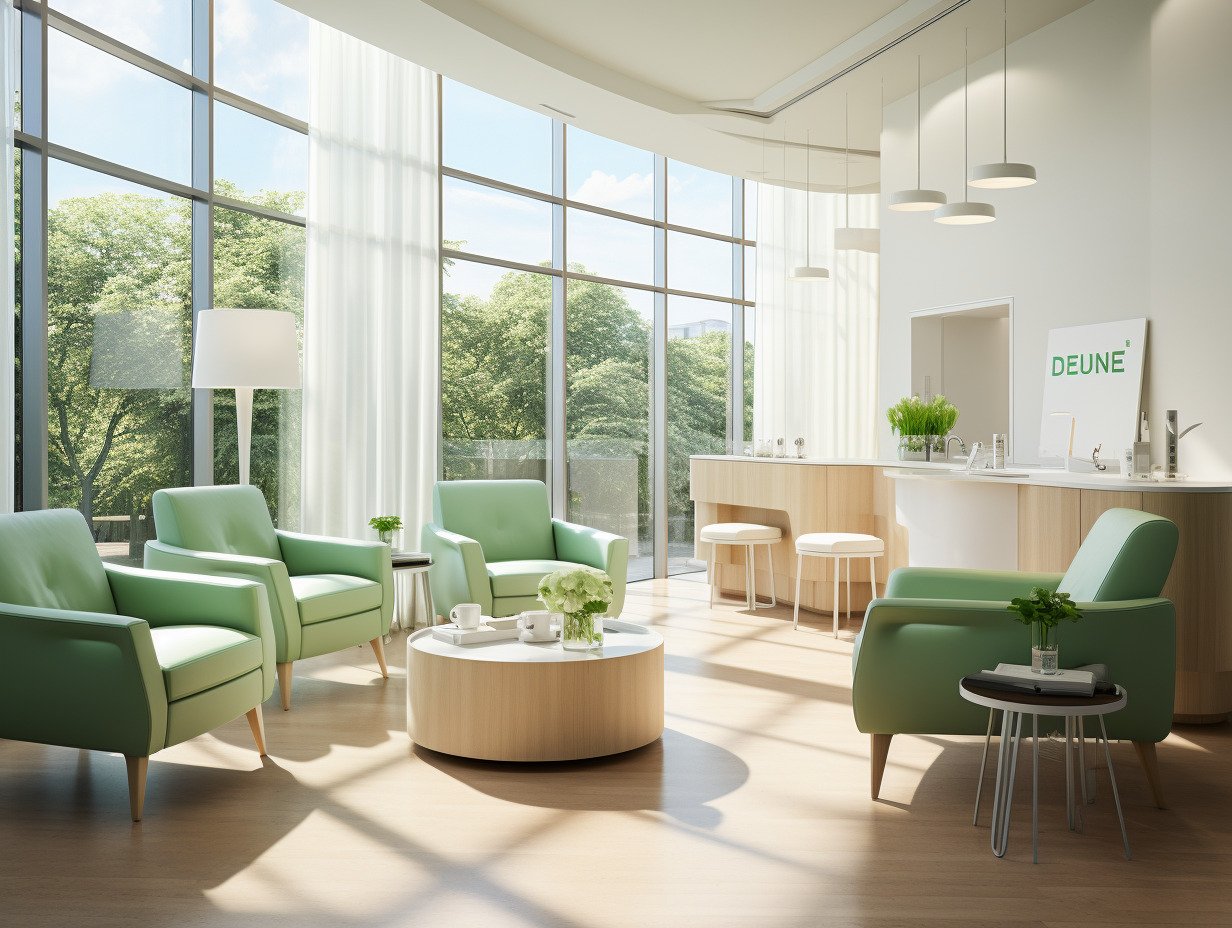
Recommendations for the Layout and Optimization of Medical Space
The layout of a medical office should be designed to enhance the quality of care and the comfort of both patients and caregivers. Each space, from the waiting room to the examination room, should be designed to meet the specific needs of the medical activity. The waiting room, the first interface between the patient and the office, should be welcoming and functional, offering enough seating and ensuring the required confidentiality.
Beyond the reception area, each consultation room requires special attention. Medical equipment, from the stethoscope to the electric examination table, should be chosen based on the medical specialty practiced, whether it is general medicine, pediatrics, gynecology, or other disciplines. This customization of equipment not only ensures the practitioner’s efficiency but also the patient’s comfort during treatment.
For healthcare professionals, work organization must be smooth and ergonomic. The layout of the office should allow for easy circulation between different spaces, with a minimum door width for access for all, and appropriate storage solutions for medical supplies. Hygiene and safety are paramount and are reflected in the mandatory presence of a sink in each consultation room and adherence to cleanliness standards.
Implementing the recommendations of the High Authority of Health and the directives of the Regional Health Agency is essential for optimizing medical spaces. Compliance with standards, particularly those for public reception ERP, is a mark of seriousness and professionalism, reassuring for patients and essential for the smooth operation of the office. Consider these guidelines to ensure a calm opening and operation of the office.