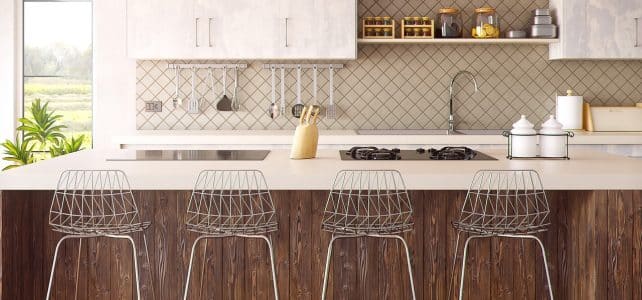
The installation of cladding is a task that can transform any space, adding a distinct charm and refined aesthetics. Whether you want to renovate a room or give your facade a fresh look, installing cladding requires a certain skill and a bit of patience. With the right tools, the right techniques, and a clear guide, even a novice DIYer can achieve professional-quality work.
Wall Preparation and Material Selection
The success of cladding installation often hinges on meticulous preparation and wise material selection. A well-prepared wall and suitable materials will ensure a durable and aesthetic installation.
Start by inspecting the wall surface. It should be clean, dry, and free of any irregularities. If there are cracks or damaged areas, it is imperative to repair them before starting the installation.
Next, choose the cladding material suitable for your project. The options are numerous: natural stone, brick, wood, or even composite materials. Each type of cladding has its own characteristics and advantages. Natural stone adds an authentic and rustic touch, while composite materials are often lighter and easier to handle.
Necessary Tools
The success of your project also depends on the tools you use. Here is a list of essential tools for effective cladding installation:
- Trowel and notched trowel: for applying and spreading the adhesive.
- Bricklayer’s rule: to check the alignment of the panels.
- Spirit level: to ensure that the cladding is straight.
- Material saw: to cut the cladding panels to the required dimensions.
- Bucket and mixer: to prepare the adhesive.
Make sure these tools are of good quality and suitable for the type of cladding you have chosen. Good equipment greatly simplifies the work and improves the precision of the installation.
Installation Techniques
The installation technique varies depending on the chosen cladding material. However, some steps are common to almost all types of cladding. Here are the general steps:
- Preparing the adhesive: Follow the manufacturer’s instructions for mixing the adhesive. It should have a smooth and pliable consistency.
- Applying the adhesive: Use a trowel and notched trowel to spread the adhesive on the wall. Apply an even layer and be careful not to apply too much.
- Installing the cladding panels: Start at the bottom of the wall. Place the first panel and press firmly to ensure good adhesion. Use a spirit level to check the alignment.
- Repetition: Continue to install the panels side by side, gradually moving up. Use spacers if necessary to maintain a consistent gap between the panels.
- Finishing touches: Once all the panels are installed, allow to dry according to the manufacturer’s recommendations. Then, remove the spacers and apply grout if necessary.
Tips and Tricks
To ensure a flawless result, here are some expert tips:
First, test the layout of the panels on the floor before starting the installation. This will give you an idea of the final look and allow you to make any necessary adjustments.
Next, work in small sections to avoid the adhesive drying before you have time to install the panels. The adhesive should remain pliable to allow for precise adjustment of the wall cladding.
Finally, always finish with a thorough cleaning of the tools and the surface. A clean wall and well-maintained tools facilitate future work and extend the lifespan of your equipment.
Installing cladding may seem complex at first, but with good preparation, the right tools, and a bit of patience, the result will meet your expectations. This renovation project will add value to your space while expressing your personal style.