
Tackling the uprooting and replanting of an olive tree is a meticulous task that requires a certain level of expertise. This delicate operation, if done correctly, can give a second life to this majestic tree. The process begins with uprooting the olive tree from its original location, followed by its preparation for replanting in a new place. To ensure a successful transition, many factors must also be considered, such as climate, soil type, and post-transplant care. Here is a step-by-step guide to help you accomplish this task successfully.
Preparing for Uprooting: Preliminary Steps
The crucial next step for successfully replanting an olive tree is the preparation of the new location. Before proceeding with the tree’s relocation, it is essential to create favorable conditions for the olive tree’s growth.
The first step is to dig a hole large enough to accommodate the roots of the olive tree. Ensure that the hole is deep enough to match the root system and about twice as wide. Mix organic compost with the excavated soil to improve the quality and nutrients of the soil.
Once this is done, carefully place the olive tree in the hole, ensuring that its trunk remains straight and vertical. Then gently spread the roots around it, avoiding excessive damage.
Gradually add the compost-soil mixture into the hole while lightly compacting it to eliminate any unwanted air pockets around the roots.
To facilitate rooting, water thoroughly immediately after replanting your olive tree, then install a thick mulch around its root zone to maintain consistent moisture and protect against weeds.
You need to monitor your olive tree. Remember to closely observe its condition and provide the necessary care to promote a successful recovery.
By following these tips, you significantly increase your chances of successfully uprooting and replanting an olive tree. Take your time, be patient, and provide the appropriate care to allow your newly transplanted olive tree to thrive in its new environment.
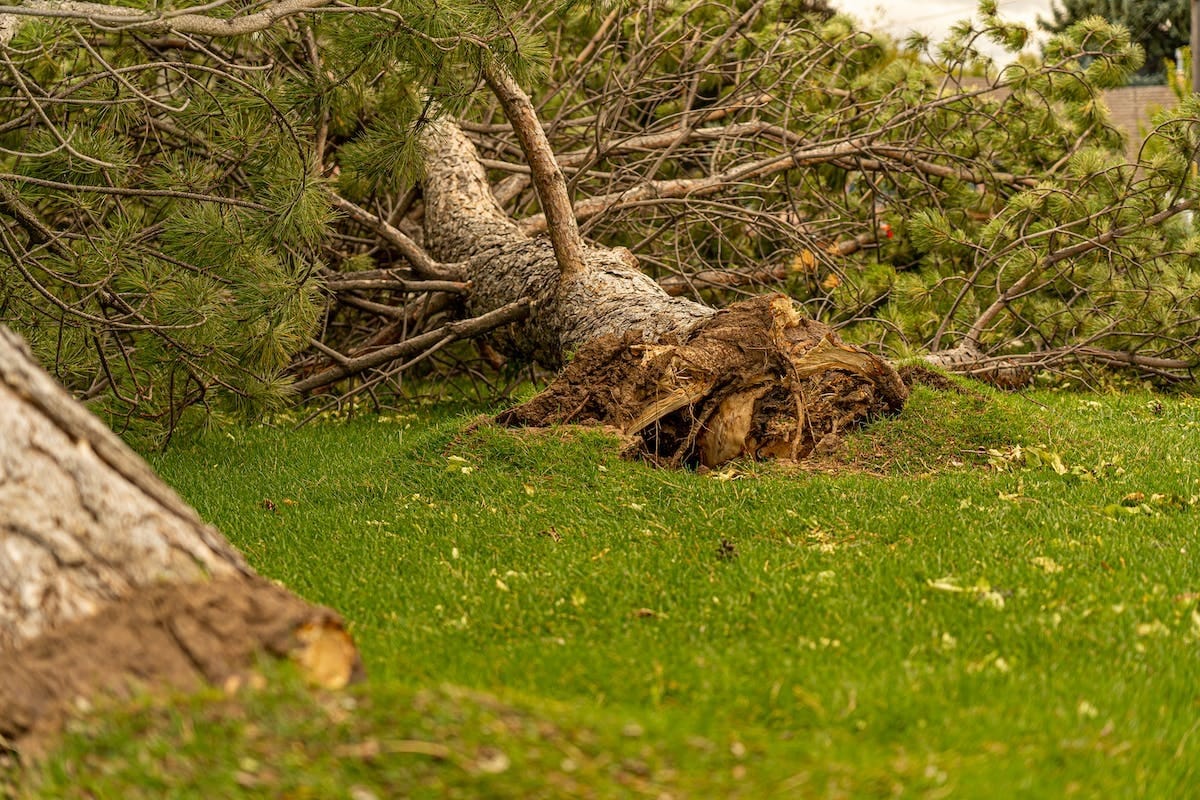
Planning the Installation: Preparing the New Location
For optimal success in uprooting and replanting an olive tree, it is essential to familiarize yourself with the various techniques that facilitate the smooth transition of this majestic tree to its new habitat.
You should mention the common practice of performing uprooting during appropriate periods. Experts generally recommend carrying out this operation during the winter season or early spring when the olive tree enters a dormant phase. This allows the tree to better withstand the stress associated with transplanting.
A technique often used to facilitate the movement of olive trees is the wrapped root system. This method involves carefully wrapping the roots in a protective material such as burlap or a sturdy plastic bag. By keeping the roots intact and protected throughout the process, their health and integrity are ensured.
To ensure that the olive tree retains its structural robustness after replanting, it may be advisable to use mechanical supports such as stakes or metal trellises. These devices ensure a good anchoring of the newly transplanted tree while providing the necessary support for its vertical growth.
When it comes to replanting a mature olive tree that has already developed a specific shape, it may be helpful to resort to pre-pruning the branches and root system. This measure helps reduce the volume of the tree, making it easier to handle during uprooting and its subsequent adaptation to the new environment.
Particular attention should be paid to the adequate irrigation of the olive tree after replanting. During the first months following transplantation, it is crucial to provide regular watering to promote root recovery in the soil. Once the tree has regained vigor, you should adjust your watering accordingly.
Successfully uprooting and replanting an olive tree requires a meticulous approach based on well-mastered techniques. By respecting the favorable periods for carrying out this operation, using appropriate methods such as the wrapped root system, and ensuring adequate post-replant irrigation, you will give your olive tree every chance to thrive in its new habitat. Do not hesitate to seek advice from a qualified professional if necessary to obtain the best practices suited to your particular situation.
Successfully Replanting: Replanting Techniques
After successfully uprooting and replanting an olive tree, you must continue to provide appropriate care to ensure its good health and promote harmonious growth. Post-replanting care plays a crucial role in the solid establishment of the tree in its new environment.
One of the first measures to take is to maintain regular and adequate irrigation. Water is a vital element for the survival of trees, especially during the months following transplantation. Be sure to water your olive tree sufficiently, taking care not to drown it either. A weekly watering frequency may be necessary at first, then can be gradually spaced out as the tree becomes better established.
Beyond water, you should pay particular attention to the nutritional needs of your recently transplanted olive tree. Providing a fertilizer specifically formulated for fruit trees or for newly planted installations can help stimulate root growth and support the healthy development of the olive tree.
Protection against diseases and pests is also a major concern after replanting an olive tree. Regularly inspect your tree for any signs of infection or potential infestation and act quickly if necessary. Preventive treatments can also be applied to strengthen the olive tree’s natural resistance to external attacks.
Pruning is another practice that deserves consideration in post-replanting care. By adjusting the shape and size of the tree, you can promote its structure and stimulate balanced growth. You should not perform drastic pruning immediately after replanting, as this can further stress the tree already in an adaptation period.
Do not forget to pay particular attention to the overall environment in which your olive tree has been replanted. Ensure that it receives adequate sunlight exposure to promote photosynthesis and ensure healthy leaf and fruit development. Also, make sure that the soil is well-drained to avoid any issues related to stagnant excess water.
By following these recommendations for post-replanting care, you will maximize the chances of success for the uprooting and replanting of your olive tree. Always keep in mind that each tree is unique and may require specific care depending on local or individual conditions. If you have concerns or encounter problems during the process, do not hesitate to consult a qualified professional for additional assistance.
After Replanting: Essential Care
To ensure the success of uprooting and replanting an olive tree, you must take into account the specific environmental factors in your area. Each climate has its own requirements and challenges, which means a personalized approach will be necessary to ensure the success of your project.
The first step is to analyze the soil in which you will replant the olive tree. A well-drained soil is crucial to avoid any problems related to stagnant excess water. If you have clayey or compact soil, it may be helpful to amend it with organic materials such as compost or peat to improve its structure and drainage capacity.
Consider the local climatic conditions such as the average annual temperature, sunlight, and precipitation. Olive trees generally prefer a Mediterranean climate with hot, dry summers and mild, rainy winters. Therefore, ensure that your region offers these optimal conditions before undertaking the uprooting.
Once you have identified a suitable location for your olive tree, also think about other plantings that will be nearby. The space should allow for good air circulation to avoid excessive moisture accumulation that could promote the development of fungal diseases.
Beyond environmental factors, do not forget to consider the legal constraints related to tree transplantation. In some regions, it may be necessary to obtain prior authorization to carry out this operation. Check with the relevant authorities to ensure compliance with the rules in force.
Stay vigilant throughout the process and closely follow the specific recommendations provided by horticulture or arboriculture experts if necessary. The support of a qualified professional can be invaluable to ensure that all steps of uprooting and replanting are carried out correctly.