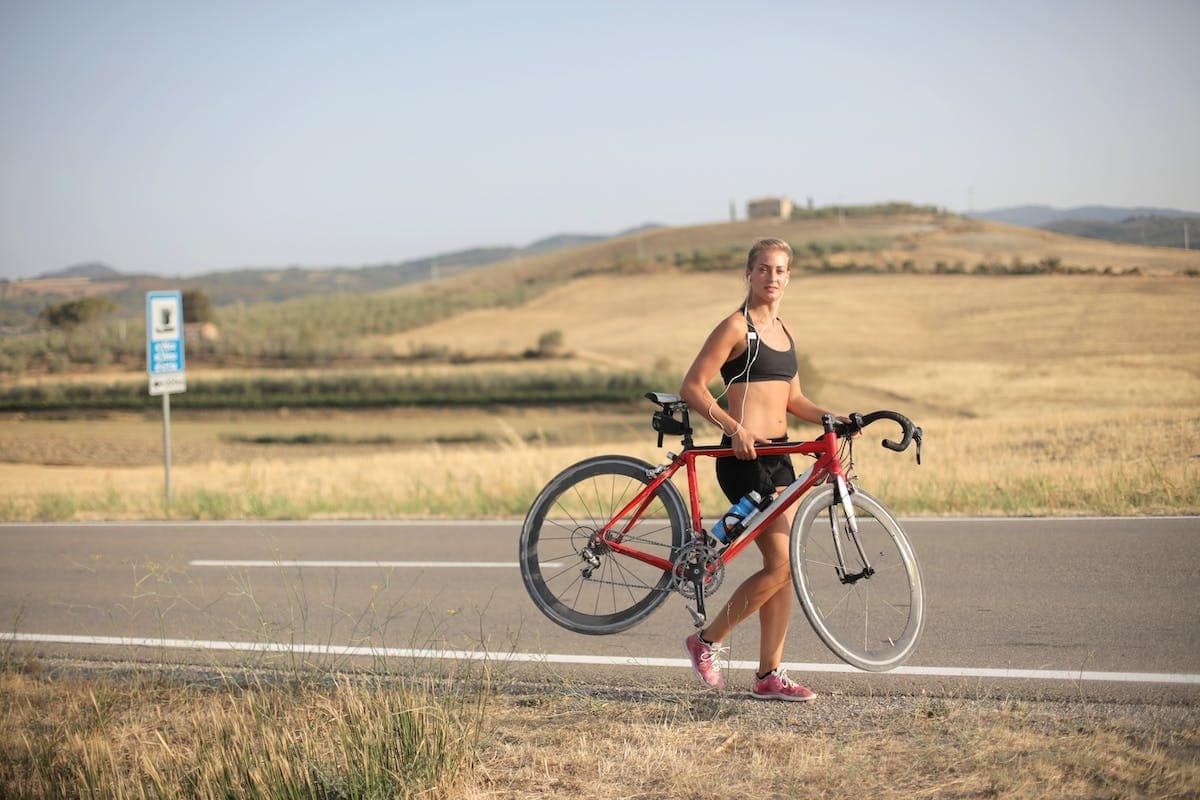
Walking, simple and accessible, is a physical activity that has many advantages. It not only helps tone the body and improve physical condition but also burns calories. It can be a valuable ally for those looking to maintain a healthy weight. But how many calories do you actually burn walking for an hour? This is a question that is not always easy to answer, as it can vary depending on several factors, including the intensity of the walk, the person’s weight, age, and gender.
Walking: How to Burn More Calories
In the quest for a healthier and more active life, many wonder how many calories they can burn in an hour of walking. However, the term ‘1h of walking calories’ is not as simple as it seems. Several factors greatly influence this equation.
The intensity at which you walk will play a crucial role in your calorie expenditure. A leisurely stroll will certainly not yield the same results as a vigorous hike or a brisk session on a treadmill.
Your body weight also comes into play when calculating calories burned during walking. Indeed, the heavier you are, the harder your muscles have to work to propel your body forward, thus burning more energy.
Age is also a factor to consider, as our metabolism changes over the years. Younger individuals often have a naturally higher metabolism than their older counterparts, meaning they can potentially burn more calories during 1 hour of walking.
The terrain on which you choose to do your physical activity can also have a significant impact on ‘1h of walking calories’. Walking on a flat surface requires less energy than climbing a steep hill or ascending stairs, for example.
That said, there are several tips to effectively increase the total number of calories burned during 60 minutes: increasing your pace at regular intervals (slow walking then fast), adding some extra exercises like jumping rope or doing a circuit training session before/after your walk are all practical examples!
Be sure to maintain this level of physical activity, but especially to avoid sabotaging all your efforts with undesirable nutritional choices.
From a general health perspective, we always recommend diversifying your physical or sports activities: this will not only stimulate different muscle groups but also reduce the risk of injuries due to repetitive movements.
‘1h of walking calories’ will thus vary according to each person and their specific context; however, this practice remains effective and contributes significantly to overall well-being.

Walking: Health Benefits
Walking, beyond its ability to burn calories, offers numerous health benefits. If you want to maximize your energy expenditure during your walking session, here are some simple tips to increase intensity and burn even more calories.
Start by working on your posture. Good posture allows for better muscle activation and thus increases the number of calories burned. Keep your shoulders back, your back straight, and look ahead. By using your arms as natural pendulums while walking, you will engage your upper body muscles more.
Vary your pace by incorporating intensity intervals into your walking session. Alternate periods where you slightly speed up with moments where you return to a normal pace. This technique, called ‘interval walking‘, stimulates metabolism and promotes fat burning.
Another effective way to intensify your walk is to include inclines or stairs in your route. Climbing a slope or ascending stairs engages the lower body muscles more and significantly increases the physical effort required to maintain the pace.
For those ready to take on an additional challenge, wearing a weighted backpack can significantly increase the intensity of walking by adding extra resistance. However, be careful not to overload the backpack to prevent any risk of injury.
Don’t forget the importance of staying hydrated during your intense walking sessions. Remember to bring a water bottle with you and drink regularly to compensate for the fluid loss due to physical effort.
If you want to burn more calories during your walking practice, simply intensify your training slightly by working on your posture, adding intensity intervals, including inclines or stairs in your route, and possibly using a weighted backpack. Don’t hesitate to consult a sports professional who can guide you in this process and adapt the exercises to your physical abilities.
Common Mistakes to Avoid While Walking to Burn Calories
Be sure to diversify your training to maximize the benefits of calorie expenditure. Fortunately, there are a multitude of physical activities that can help you burn calories while adding some variety to your exercise routine.
Cycling is one of those versatile and effective activities. Whether outdoors or on a stationary bike, pedaling will not only help you burn calories but also improve your cardiovascular system and strengthen your lower muscles.
If you are looking for a more intense activity, try swimming. Swimming engages all muscle groups in the body and can be particularly effective for burning calories while preserving your joints. Depending on the intensity and style chosen (freestyle, backstroke, etc.), you can easily burn several hundred calories per hour in the water.
For those who prefer more dynamic and explosive workouts, kickboxing can be an interesting option. This discipline combines boxing movements and kicks, requiring strength and coordination. Not only will it help you burn fat due to its fast pace, but it will also contribute to the development of your cardiovascular and respiratory capabilities.
If you want a complete workout that combines muscle strength and high energy expenditure, consider circuit training. This form of exercise involves chaining several different exercises together, with little or no rest between each movement. In addition to increasing your calorie expenditure, circuit training will also stimulate your metabolism and promote muscle building.
Whatever physical activity you choose, be sure to stay consistent in your training sessions to see lasting results. Don’t hesitate to consult a professional to help you establish a program tailored to your needs and physical abilities.
While walking can be an excellent option for burning calories, be sure to diversify your exercise routine to maximize the benefits for your overall health. Whether it’s cycling, swimming, kickboxing, or circuit training, find the activity that suits you best and persevere in your efforts.
Alternatives to Burn Calories and Vary Your Training
Now let’s explore other physical activities that can help you achieve your calorie expenditure goals. Yoga, for example, is an ancient practice that offers many benefits for the body and mind. Although it is not as intense as some other activities, yoga can still contribute to calorie loss. Indeed, the postures and sequences require constant muscular effort and thus promote fat burning.
If you enjoy intense and dynamic exercises, try HIIT (High-Intensity Interval Training). This training method consists of short but very intense sequences alternated with active recovery periods. Not only does this allow you to burn a maximum of calories during the effort, but it also stimulates metabolism for several hours after the workout.
For those who prefer team sports, basketball can be an excellent option for burning calories. This demanding sport engages not only your cardiovascular system but also all your muscles. In addition to losing weight quickly due to repeated sprints on the court, you will also improve your coordination and agility.
If you are looking to combine fun with high energy expenditure, why not try dancing? Whether it’s passionate salsa or rhythmic zumba, dancing is a playful and effective way to lose calories. In addition to toning your body, dancing also improves your coordination and stimulates your creativity.
You need to find an activity that matches your tastes and physical abilities. So don’t hesitate to try different options and stay consistent in your training.